Swan Bird Design: A Review for Business Merch
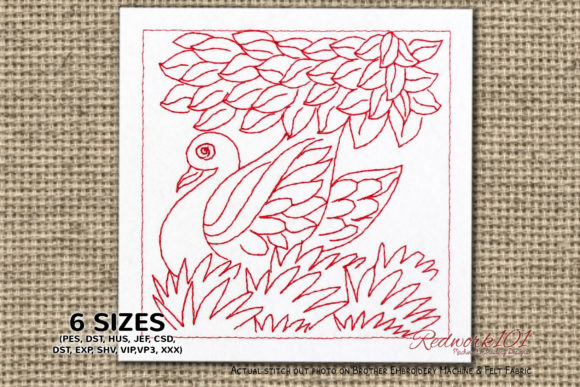
As an embroidery designer who specializes in commercial branding and small business merchandise, I approach every new machine embroidery design with a critical eye toward production viability. When evaluating the Swan Bird Design for potential use in branded apparel or patches, my primary concern is not just aesthetic beauty, but how well the digitizing translates to real-world business applications. This design, featuring a swan nestled amidst leaves and grass, offers a distinct visual personality that differs significantly from standard corporate logos. It presents a unique opportunity for businesses in the boutique, floral, bakery, and creative sectors to establish a softer, more organic brand identity. However, successful implementation requires understanding the technical nuances of this specific artwork.
Visual Personality and Brand Alignment
The first impression of the Swan Bird Design is one of elegant tranquility and organic sophistication. Unlike bold, geometric mascots often used in sports or industrial branding, this design communicates a sense of calm, nature, and artisanal care. For a small business owner, this visual language is powerful. It signals to customers that your brand values natural beauty, patience, and attention to detail. I see this design performing exceptionally well for florists, eco-friendly product lines, tea shops, and handmade jewelry brands. The inclusion of botanical elements like leaves and grass grounds the swan, preventing it from looking too formal or sterile. This makes it versatile enough for a rustic café apron or a high-end boutique shopping bag. The design feels premium yet accessible, striking a balance that is often difficult to achieve in custom apparel.
Evaluating the Optional Box Stitch Feature
A crucial technical note in the product description mentions that the Box Stitch shown is optional. From a production standpoint, this flexibility is a major asset for commercial embroiderers. A box stitch border adds structure and definition, which is essential when creating an embroidered patch. If you are producing standalone patches for sale or for staff uniforms, retaining the box stitch provides a clean edge that facilitates merrowing or heat-sealing. However, if you are embroidering directly onto a garment, such as a tote bag or a knit sweater, removing the box stitch allows the design to integrate more softly with the fabric texture. Direct-to-garment embroidery without a rigid border reduces puckering and creates a more high-end, retail-ready finish. Always verify your digital embroidery file includes both versions or allows for easy editing before starting production.
Commercial Applications and Merchandise Strategy
When integrating the Swan Bird Design into small business merch, versatility is key. Based on the composition of the bird and foliage, here is how I recommend deploying this asset across different product categories:
- Apron Embroidery: For bakeries and florists, placing this design on the left chest of a canvas apron creates immediate brand recognition. The organic theme aligns perfectly with fresh flowers and artisanal food preparation.
- Tote Bag Design: Canvas totes are a staple for markets and retail. The Swan Bird Design works beautifully as a center chest graphic or a bottom-corner accent. Ensure the stitch density is appropriate for heavy canvas to prevent needle breaks.
- Cap Embroidery: This requires caution. Caps have limited vertical space and curved surfaces. You must test if the foliage details remain legible at a reduced size. If the design is too tall, consider using only the swan element for headwear.
- Product Packaging: Beyond apparel, this design serves as an excellent branding element for tissue paper stamps, thank-you cards, or fabric labels sewn into handmade product seams.
Technical Considerations for Production Safety
While the Swan Bird Design is visually appealing, certain applications require careful testing. Wildlife designs often contain intricate details in feathers and leaves that can become problematic at small sizes. If you intend to use this as a sleeve cuff logo or a tiny label, you must confirm the minimum viable size. Reducing a complex nature scene below 2.5 inches often results in lost detail and thread buildup. I strongly advise against using this design on highly textured fabrics like terry cloth or thick fleece unless you use a topping stabilizer to keep the fine lines visible. Additionally, consider the washability. Staff uniforms and aprons face frequent laundering. Ensure the thread colors selected are colorfast and that the design has adequate underlay to prevent distortion over time. Dark uniforms present another challenge; light-colored swans on black fabric may require a white underlay base to maintain opacity and vibrancy.
Impact on Customer Trust and Perceived Value
In the competitive landscape of Etsy sellers and local boutiques, professional presentation separates hobbyists from established brands. Using a cohesive, well-executed design like the Swan Bird elevates the perceived value of your goods. Customers associate high-quality embroidery with product integrity. When they see crisp, well-registered stitching on a branded item, it builds subconscious trust in your craftsmanship. Conversely, a poorly executed wildlife design with gaps or puckering can signal low quality. This design’s inherent elegance demands precision. By investing time in proper hooping and stabilization, you protect your brand reputation. Furthermore, consistent use of this design across multiple touchpoints—from staff wear to packaging—reinforces visual memory, making your business more recognizable and memorable to repeat buyers.
Essential Pre-Production Checklist for Designers
Before running a full production batch of commercial embroidery using the Swan Bird Design, follow this professional workflow to minimize waste and ensure client satisfaction:
- Verify Licensing: Confirm that your purchase includes commercial rights for selling finished merchandise. Never assume personal-use files are cleared for business sales.
- Check Specifications: Review the exact stitch count, hoop size requirements, and recommended thread palette. Do not guess these metrics based on the image alone.
- Create a Printable Mockup: Generate a digital mockup to show clients or stakeholders how the design will look on the actual garment. This manages expectations regarding size and placement.
- Test on Real Fabric: Never rely solely on screen visualization. Sew out a sample on the exact material you plan to use. Check for registration issues between the swan and the leaf elements.
- Evaluate Stabilizer Pairing: Test different backing weights. A cutaway might be necessary for stretchy knits, while tear-away may suffice for woven cottons.
- Assess Contrast: View the test sew-out in natural lighting and indoor lighting. Ensure the outline color provides sufficient separation from the fill areas.
The Swan Bird Design represents a valuable addition to the library of any embroidery shop or handmade brand focusing on nature-inspired aesthetics. Its blend of wildlife beauty and structural options makes it suitable for everything from delicate boutique labels to durable staff uniforms. However, its success lies in respectful execution. By treating this embroidery file as a professional asset rather than just a decorative picture, and by adhering to strict testing protocols, you can transform this digital art into tangible brand equity. Whether you are outfitting a team or launching a new product line, let the elegance of this design work for your business through meticulous planning and quality production standards.