Peace Sign Gaming Controller: Merch Design Review
As an embroidery designer who specializes in commercial branding and merchandise production, I approach every new machine embroidery design with a critical eye toward production viability. When evaluating the Peace Sign Gaming Controller for small business applications, my primary focus is not just on the aesthetic appeal of combining retro vibes with modern gaming, but on how this artwork translates into a profitable, durable finished product. For shop owners, Etsy sellers, and apparel decorators, a design must be more than cute; it must be stitchable, scalable, and commercially relevant.
Visual Personality and Brand Alignment
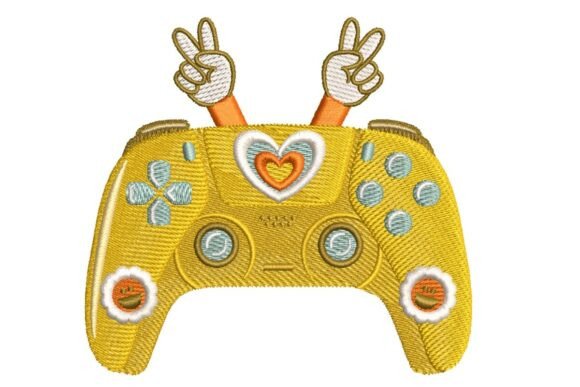
The first impression of the Peace Sign Gaming Controller is distinctly playful yet nostalgic. In the Games Leisure category, there is often a tension between aggressive, high-tech aesthetics and friendly, community-focused vibes. This design bridges that gap effectively. The integration of a peace sign within or alongside a controller silhouette softens the typically masculine or intense imagery associated with gaming gear. For a small business, this visual duality is valuable.
If you are operating a board game café, a retro arcade bar, a family-friendly e-sports lounge, or even a creative studio with a gaming culture, this design communicates approachability. It suggests that your brand values leisure and positivity over cutthroat competition. However, as a professional reviewer, I note that the "detailed" nature mentioned in the product description requires scrutiny. Detailed designs can look stunning on screen but may become muddy when stitched on textured fabrics like canvas tote bags or pique polo shirts. The success of this design in a commercial setting depends entirely on maintaining clarity at various sizes.
Commercial Applications for Small Business Merch
For entrepreneurs looking to expand their small business merch lineup, the Peace Sign Gaming Controller offers versatile application potential. Here is how I evaluate its performance across different branded assets:
- Embroidered Patches: This is likely the strongest use case. The self-contained shape of a controller lends itself perfectly to patch borders. Whether used as a morale patch for a gaming team or a collectible add-on for an online store, the design’s bold outline should hold up well on twill backing.
- Apron Embroidery: For cafés or bakeries targeting a niche demographic, placing this design on the chest or pocket area of an apron creates immediate conversation starters. It signals a specific subculture alignment that builds customer rapport.
- Tote Bag Design: Canvas totes are staples for handmade brands and event merch. The retro vibe complements natural cotton textures. However, ensure the stitch density is optimized so the bag does not pucker around the detailed controller buttons.
- Cap Embroidery: Headwear presents unique challenges due to curvature. If the design includes tiny lettering or intricate shading inside the peace sign, it may need simplification for caps. Always verify the center-out digitizing sequence to prevent registration issues on curved surfaces.
- Staff Uniforms: For work shirts, this design serves as excellent sleeve or left-chest branding. It adds personality to uniforms without sacrificing professionalism, provided the color palette aligns with your corporate identity.
Production Constraints and Technical Considerations
While the concept is strong, practical execution requires diligence. As an experienced digitizer and reviewer, I must highlight where caution is necessary when using this embroidery file for production.
Size Reduction Risks
The product description notes that the controller is "detailed." In commercial embroidery, detail is often the enemy of small sizes. If you intend to use this as a 2-inch logo on a polo sleeve or a miniature tag on a handmade product, you must test the minimum viable size. Complex fills and overlapping elements can cause thread breaks or poor definition when scaled down. Before committing to a bulk order, run a sew-out at your smallest intended dimension. If the peace sign loses definition or the controller buttons merge, you will need a simplified version of the digital embroidery file.
Fabric Texture and Stabilizer Selection
Gaming merchandise often utilizes diverse materials, from smooth performance polyester to rugged denim. The fabric texture dictates your stabilizer choice. For the Peace Sign Gaming Controller, which likely contains satin stitches for outlines and fill stitches for the body, inadequate stabilization will result in misalignment. On stretchy knits, use a cut-away stabilizer to maintain shape integrity during washing. On stiff caps or heavy canvas, a tear-away may suffice, but always prioritize registration accuracy over ease of removal.
Thread Color Contrast
Retro designs often utilize specific vintage palettes. Ensure these thread colors provide sufficient contrast against your chosen garment colors. A yellow peace sign on a white shirt may disappear in photographs and low-light retail environments. Test high-contrast variations to ensure the design remains legible and impactful as part of your brand identity.
Impact on Brand Value and Customer Trust
In the competitive landscape of custom apparel and handmade goods, presentation is everything. Using a well-executed, niche-specific design like the Peace Sign Gaming Controller elevates perceived value. It shows that you understand your audience's specific interests rather than using generic clip art. This specificity fosters trust and recognition.
However, poor execution damages credibility. A design that is puckered, thread-bare, or poorly positioned looks amateurish. By treating this embroidery project with professional rigor—testing, stabilizing, and verifying quality—you protect your brand's reputation. Customers associate the quality of the merchandise with the quality of the service or products you sell. A crisp, vibrant embroidered patch or logo implies attention to detail in all aspects of your business.
Essential Pre-Production Checklist for Designers
Before loading this design into your machine for a client or your own inventory, complete this professional review checklist:
- Verify Licensing: Confirm the commercial embroidery license terms. Just because you bought the file does not automatically grant unlimited resale rights for physical merchandise. Check if the licensor restricts mass production or requires attribution.
- Check Hoop Size Compatibility: Ensure the design dimensions fit comfortably within your available hoop size with adequate margin for the presser foot. Never attempt to squeeze a design into a hoop that is too tight; this causes distortion.
- Create a Printable Mockup: Before stitching, place the design digitally on a photo of the actual garment. Send this printable mockup to clients for approval regarding placement and scale. This prevents costly rework.
- Test in Black and White: Print a line-art version of the design to inspect spacing and negative space. If the design looks cluttered in grayscale, it will likely stitch poorly.
- Inspect Stitch Count and Density: Review the file properties. Excessively high stitch counts increase production time and cost per unit. Ensure the density is appropriate for the target fabric weight.
- Compare Beside Other Assets: Place the Peace Sign Gaming Controller next to your existing logos and design assets. Does it match your current style guide? Visual consistency is key for long-term brand building.
- Sew-Out Validation: Always stitch a physical sample on the exact fabric you plan to use. Inspect the back for bobbin tension issues and the front for coverage gaps. Only approve for production after a successful physical test.
The Peace Sign Gaming Controller represents a fantastic opportunity for businesses in the leisure and gaming sectors to create unique, emotionally resonant merchandise. Its blend of retro nostalgia and modern symbolism offers a distinct alternative to standard gaming logos. However, its success relies on the technical proficiency of the embroiderer. By respecting the limitations of the medium, validating the file for commercial use, and prioritizing quality control, you can transform this digital asset into a tangible symbol of your brand’s identity. Whether applied to a boutique tote bag, a staff apron, or a premium patch, this design has the potential to delight customers and strengthen community connections when executed with professional care.