Gaming Controller: A Business Merch Review
As an embroidery designer who specializes in commercial branding and small business merchandise, I approach every new machine embroidery design with a critical eye. When evaluating the Gaming Controller design for potential use in branded apparel or promotional products, my focus shifts immediately from simple aesthetics to production viability and brand alignment. While the product description suggests sewing this lovely design on a t-shirt for personal gaming enjoyment, the true value for entrepreneurs lies in its versatility as a commercial asset. For businesses in the Toys Games category, esports teams, retro arcades, or tech repair shops, this design represents more than just a hobby icon; it is a potential cornerstone of brand identity.
Visual Personality and Professional Application
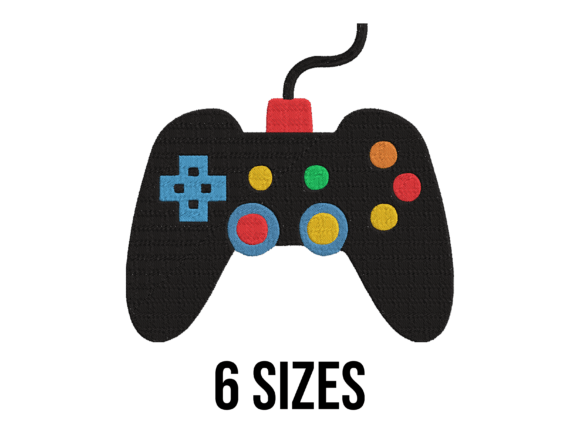
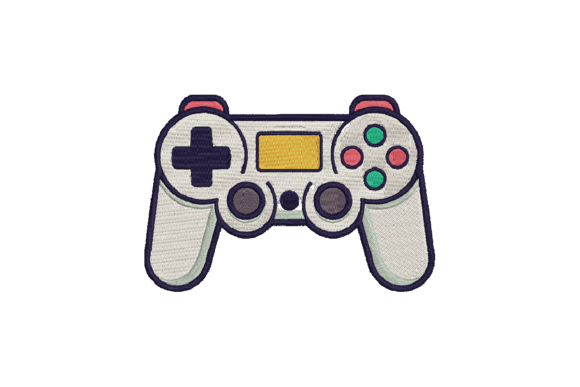
My first impression of the Gaming Controller design is that it strikes a necessary balance between playful nostalgia and modern geometric clarity. For a business owner, this distinction is vital. A design that is too cartoonish may undermine professional credibility, while one that is too sterile lacks engagement. This specific silhouette offers a bold, recognizable shape that translates exceptionally well into small business merch. It feels friendly yet structured, making it suitable for a wide demographic ranging from Gen Z gamers to millennials seeking retro aesthetics.
In a real-world scenario, imagine a local board game café or an indie game development studio. Using the Gaming Controller as a chest logo accent on staff polos creates immediate visual cohesion without overwhelming the garment. Alternatively, for a handmade Etsy seller specializing in gamer accessories, this design serves as a perfect tag or label element. The geometry of a controller allows for high visibility even at reduced sizes, which is essential when integrating it into custom apparel lines where logo placement must be subtle but effective.
Evaluating Performance Across Merchandise Types
The true test of any digital embroidery file is how it performs across different substrates. Based on the standard characteristics of controller imagery, I anticipate this design will excel in several key commercial applications:
- Embroidered Patches: The compact nature of a gaming controller makes it an ideal candidate for patch production. Whether used as a morale patch for a gaming clan or a branded badge for event staff, the shape naturally contains itself within a merrowed edge.
- Apron Embroidery: For cafés or makerspaces with a tech theme, placing this design on the bib of an apron adds personality. It signals to customers that the business understands their culture.
- Tote Bag Design: Canvas tote bags are staples for conventions and retail. The Gaming Controller provides a large, flat area for stitching that pops against natural cotton textures.
- Cap Embroidery: This is often the most challenging application due to curvature. However, because controllers are generally wider than they are tall, they fit the horizontal axis of a cap front better than vertical icons, provided the digitizing accounts for the curve.
For commercial embroidery projects involving uniforms, consistency is paramount. This design’s likely reliance on solid fills and clear outlines means it should reproduce reliably across hundreds of garments, assuming the stitch density has been optimized for the target fabric weight.
Critical Production Considerations and Limitations
While the Gaming Controller is versatile, experienced decorators know that no design is universal. There are specific environments where caution is required. If you intend to use this for apron embroidery on heavy denim or canvas, you must verify that the underlay is sufficient to prevent fabric grain from showing through the satin stitches. Conversely, if applying this to lightweight performance wear for an esports team, excessive density could cause puckering or drag down the garment's drape.
Small patch sizes present another hurdle. If scaling the Gaming Controller down below three inches, intricate button details or internal text may become indistinguishable mud. In such cases, I recommend simplifying the design assets by removing interior elements and relying solely on the outer silhouette. Additionally, dark uniforms require careful planning regarding thread colors. White or neon thread on black fabric demands proper underlay to prevent the dark background from bleeding through, which can dull the vibrancy of the finished product.
Frequent washing is another factor for work shirts and hospitality uniforms. Ensure the embroidery file uses secure lock stitches at the end of color runs. A loose thread on a gaming controller icon after five wash cycles looks unprofessional and damages customer trust. Always confirm the hoop size requirements before purchasing; nothing halts production faster than realizing a design exceeds your machine’s maximum field area.
Impact on Brand Identity and Customer Trust
Why does the technical execution of a Gaming Controller matter to your bottom line? Because in the Toys Games and creative sectors, your merchandise is a direct reflection of your quality standards. A crisp, well-executed embroidered patch signals attention to detail. It tells the customer that if you care this much about your logo, you likely care equally about your service or product.
Furthermore, utilizing a cohesive design across multiple touchpoints—from a tote bag design at a convention to a subtle sleeve detail on a technician’s uniform—builds visual recognition. When a customer sees the Gaming Controller associated with your business repeatedly, it reinforces memory retention. For handmade product sellers, adding this professional-grade embroidery elevates the perceived value of the item, justifying higher price points and distinguishing your goods from mass-produced alternatives.
Designer Notes for Successful Implementation
Before running a full production batch of small business merch featuring the Gaming Controller, adhere to these professional best practices:
- Test in Black and White: Before committing to complex color palettes, stitch a monochrome version. This reveals the structural integrity of the design and highlights any registration issues between fill areas and outlines.
- Verify Fabric Compatibility: Test the design on the exact fabric texture you plan to use. A setting that works perfectly on twill may fail on pique knit. Adjust tension and stabilizer accordingly.
- Create a Printable Mockup: Use software to overlay the design onto photos of your actual garments. Share this printable mockup with clients or stakeholders for approval before cutting fabric. This manages expectations regarding size and placement.
- Check Licensing: As this is intended for business use, strictly confirm commercial licensing terms. Ensure you have the right to sell items bearing this design or use it for paid services.
- Inspect Thread Contrast: View the chosen thread colors under both natural and artificial lighting. Colors that look distinct on screen may blend together under shop lights, reducing legibility.
- Stabilizer Selection: Never skip proper stabilization. For stretchy knits, use cut-away stabilizer to maintain the shape of the Gaming Controller over time. For caps, use appropriate backing to support the curved surface.
The Gaming Controller embroidery design holds significant promise for businesses looking to connect with gaming culture authentically. By treating it as a professional branding tool rather than mere decoration, and by rigorously testing its performance on your specific finished product, you can transform a simple digital file into a powerful asset for customer engagement and brand loyalty. Always remember that in Embroidery, the difference between a hobbyist result and a professional product lies entirely in the preparation and understanding of the medium.