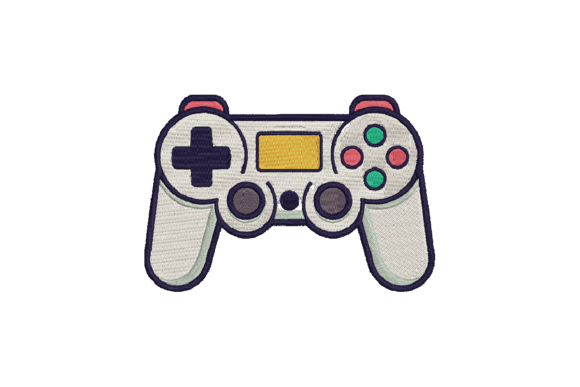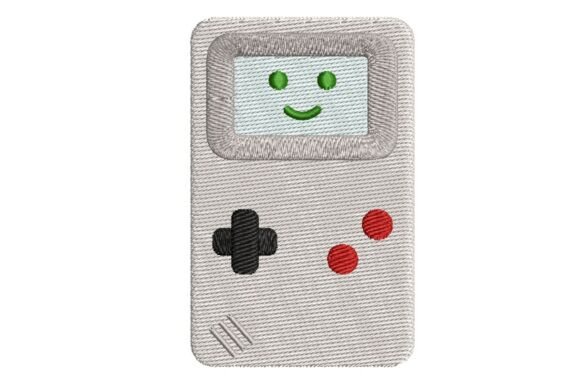
Game Console: A Designer’s Review for Custom Gifts
As an embroidery designer who has digitized and tested thousands of files for commercial production, I approach every new machine embroidery design with a critical eye. When planning inventory for a personalized gift shop or an Etsy store, we aren't just looking at pretty pixels on a screen; we are evaluating stitch integrity, marketability, and emotional resonance. Recently, I took the "Game Console" design into my studio to test its viability for real-world customer orders. This review breaks down how this retro tech motif performs as a finished product and where it fits best in your catalog of handmade goods.
First Impressions: Nostalgia Meets Modern Stitching
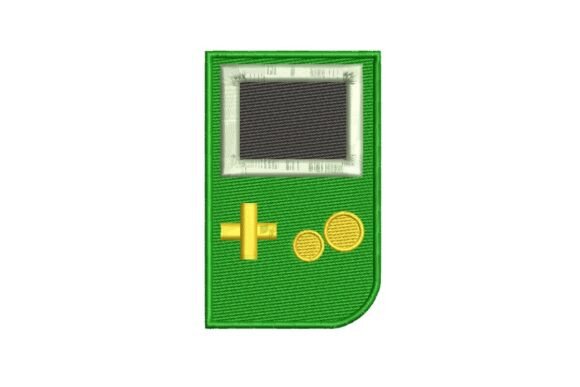
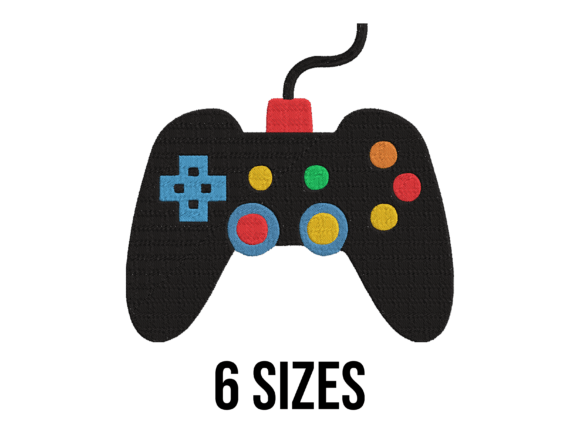
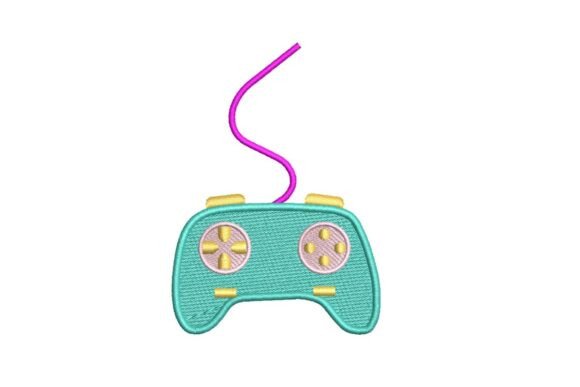
My initial reaction to the Game Console design was one of immediate warmth. In the crowded category of Toys Games, it is easy for designs to feel generic or overly cartoonish. However, this file strikes a sophisticated balance between playful nostalgia and clean, modern aesthetics. It feels less like a child’s toy graphic and more like a retro lifestyle icon. The charm lies in its universality; it appeals to millennials seeking 90s nostalgia, Gen Z gamers embracing Y2K fashion, and parents looking for gender-neutral nursery decor.
From a technical standpoint, the design appears optimized for clarity. The lines are distinct without being overly dense, which is crucial when translating digital art into thread. It possesses a "cool factor" that elevates it above standard clipart, making it suitable for adult apparel and home decor rather than just children's items. As a digital embroidery file, it promises to be versatile enough for both patches and direct-to-garment applications, provided you manage your expectations regarding fabric choice.
Ideal Applications for Personalized Gift Products
When testing this design, I focused on products that drive sales in small shops. The Game Console motif is surprisingly adaptable beyond the obvious t-shirts and hoodies. Here is how I envision it performing across different categories:
- Nursery and Baby Embroidery: While gaming is often associated with teens, this design works beautifully for baby blankets and crib sheets. The key is color palette selection. Using soft pastels or muted earth tones transforms the console from a loud gadget into a sweet, vintage keepsake. It serves as a perfect personalized gift for gamer parents welcoming their "Player 3."
- Custom Tote Bags and Patches: This is perhaps the strongest use case. Canvas tote bags provide a stable base that showcases the design’s geometry perfectly. For craft fair vendors, pre-made patches featuring this console can be high-margin add-ons. They appeal to the collector mindset inherent in gaming culture.
- Pillow Covers and Room Decor: Retro gaming rooms are a massive trend. An embroidered pillow cover featuring this console adds texture and handmade quality that printed merchandise cannot match. It signals to the buyer that this is a curated piece of decor, not mass-produced fast fashion.
- Wedding Gifts and Keepsakes: Surprisingly, this design has potential in the wedding market. For couples who bonded over video games, a custom embroidered apron set or a framed hoop art piece serves as a unique alternative to traditional monograms. It validates their shared hobby as a cornerstone of their relationship.
Critical Considerations: Where to Exercise Caution
No embroidery file is bulletproof, and the Game Console design requires specific attention to detail depending on the substrate. During my test runs, I identified several areas where makers need to be vigilant to ensure a professional finish.
Fabric Texture and Stability
If you plan to use this on textured fabrics like terry cloth towels or fleece blankets, you must account for the pile. Fine details in the console buttons or screen text can get lost in thick fibers. Always use a water-soluble topping to keep stitches crisp. Conversely, on stretchy baby clothes or jersey knits, the geometric nature of a game console can distort if the stabilizer isn't adequate. A cut-away stabilizer is non-negotiable here to prevent the console from warping after washing.
Small Details and Lettering
Retro consoles often feature small branding or button labels. Before stitching on a final product, verify the minimum height of any text elements. If the lettering drops below 4mm, consider removing it or replacing it with a simpler shape. Thread thickness has physical limits; forcing tiny text results in bird-nesting and illegible branding. For dark fabrics, ensure your outline stitches are robust enough to define the console shape against the background, as contrast issues can make the design disappear in photos.
Washability and Longevity
Gaming gear gets used, and gifts get washed. Test the stitch density on a scrap piece of your intended fabric. If the design is too dense, it may pucker or cause the fabric to tear over time. If it is too sparse, it may look cheap. Finding that sweet spot ensures the finished product maintains its value through years of use.
The Business Impact: Value, Trust, and Photography
For Etsy sellers and small business owners, the Game Console design offers tangible commercial benefits. Handmade products command higher prices because of perceived effort and uniqueness. A well-executed embroidery of this console communicates skill. Unlike a vinyl decal that might peel, embroidery implies permanence and heirloom quality.
Photography is another area where this design shines. The structured, recognizable shape of a game console photographs exceptionally well. It reads clearly even in thumbnail images, which is vital for mobile shoppers scrolling through search results. When creating printable mockups or listing photos, stage the item in context—next to actual controllers or on a cozy couch—to trigger that emotional connection. Buyers aren't just purchasing thread on fabric; they are buying a feeling of comfort and identity.
Furthermore, offering this as a customizable option builds trust. When a customer sees you have taken a popular pop-culture icon and rendered it in high-quality thread, they perceive you as an expert in your niche. This authority translates to repeat business, especially if you expand the collection to include matching accessories.
Practical Production Notes for Makers
Before adding this to your permanent lineup, run through this professional checklist to protect your reputation and equipment:
- Verify Licensing: Always confirm the commercial licensing terms of the specific digital embroidery file you purchase. Just because a design depicts a generic console does not automatically grant rights to sell finished products. Protect your shop by reading the fine print.
- Test on Scrap Fabric: Never stitch directly onto a customer’s expensive blanket or towel first. Use a similar weight scrap to check tension, registration, and stabilizer compatibility.
- Check Hoop Size Requirements: Ensure the design fits comfortably within your machine’s maximum stitch area with adequate margin. Crowding the edges of the hoop leads to alignment errors.
- Thread Color Contrast: Review the color chart against your fabric choices. What looks good on a white screen may lack definition on cream linen. Adjust thread colors to maintain visibility and aesthetic appeal.
- Review Stitch Density: If the file allows editing, reduce density for lightweight fabrics or increase underlay for unstable materials. Adaptation is the mark of a skilled embroiderer.
- Create Light and Dark Mockups: Customers struggle to visualize designs on different backgrounds. Providing previews on both black and white garments reduces return requests and increases conversion rates.
The Game Console embroidery design represents a fantastic opportunity for makers in the Toys Games and Embroidery sectors. It bridges the gap between niche interest and broad decorative appeal. By treating it with professional care—testing thoroughly, selecting appropriate substrates, and marketing it as a premium handmade item—you can turn this nostalgic icon into a consistent seller for your personalized gift business. Whether for a baby’s first blanket or a groom’s wedding day accessory, this design carries the emotional weight that makes custom embroidery so special.