Retro Arcade Machine: An Embroidery Design Review
As a professional embroidery designer running a busy personalized gift shop, I am constantly evaluating new digital assets to ensure they meet the high standards my customers expect. When I first loaded the Retro Arcade Machine design into my software, I was immediately struck by its potential to bridge the gap between nostalgic novelty and genuine sentimental value. In the competitive world of Toys Games and custom apparel, finding a machine embroidery design that feels both playful and professionally executable is a challenge. This review documents my testing process and strategic planning for integrating this vintage arcade cabinet motif into our upcoming product line for game lovers and 80s fans.
First Impressions and Emotional Resonance
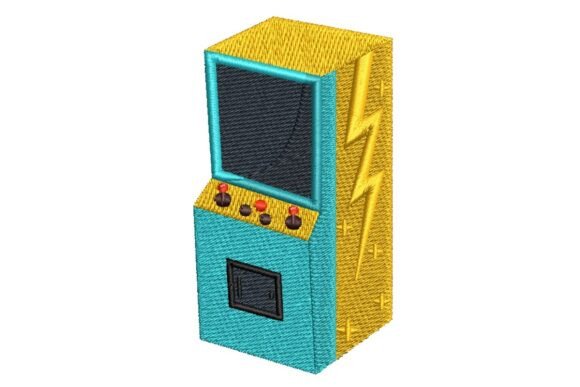
The initial mood of the Retro Arcade Machine design is undeniably vibrant. It captures a specific era of gaming culture without feeling dated or kitschy. For an embroidery file intended for commercial use, the balance of bold outlines and colorful fills is crucial. My first impression was that this design possesses a "happy" stitch density; it looks substantial enough to stand out on textured fabrics but retains enough detail to be recognizable at smaller sizes. The charm lies in its geometric precision mixed with retro color palettes, making it feel like a premium handmade product rather than a generic clip-art transfer. For Etsy sellers and small business owners, this emotional appeal is the first step toward converting a browser into a buyer.
Strategic Applications for Personalized Gifts
When planning inventory, I look for versatility. The Retro Arcade Machine design is not limited to t-shirts; it has significant potential across various personalized gift categories. During my planning phase, I identified several high-value applications where this design could shine as a custom embroidery centerpiece.
- Nursery and Baby Embroidery: While arcade themes are often associated with adult gamers, a softened color palette version of this design works beautifully for nursery decor. Imagine a blanket embroidery featuring this cabinet alongside a baby’s name in pixelated font. It appeals to millennial parents who want their child’s room to reflect their own passions while remaining sweet and age-appropriate.
- Wedding Gifts and Keepsakes: For couples who bonded over video games, this design serves as a unique alternative to traditional monograms. I envision it on a pillow cover for the couple's first home or embroidered onto denim jackets for a rehearsal dinner. It transforms a standard wedding gift into a deeply personal narrative artifact.
- Kitchen and Home Textiles: An embroidered towel or apron featuring this retro cabinet makes for an excellent hostess gift or housewarming present. The bold colors hold up well against the visual noise of a kitchen environment, ensuring the design remains the focal point.
- Craft Fair and Etsy Listings: For digital product sellers and craft fair vendors, tote bags adorned with this design offer a high perceived value. The nostalgia factor drives impulse purchases, especially when paired with other retro-inspired items.
Technical Considerations and Fabric Limitations
Despite its visual appeal, the Retro Arcade Machine design requires careful technical consideration. As an experienced digitizer, I must emphasize that not every fabric is suitable for this level of detail. Before listing any finished product, you must understand where this design performs best and where it poses risks.
Navigating Texture and Stability
The geometric nature of arcade cabinets means straight lines must remain straight. On thick towels or plush blankets, the fabric texture can distort these lines if the stabilizer choice is incorrect. I recommend testing on scrap fabric using a cutaway stabilizer for stretchy materials and a tear-away for stable wovens. If you are working with dark fabric, ensure the underlay is sufficient to prevent the fabric grain from showing through the bright thread colors, which can muddy the retro aesthetic.
Size and Detail Integrity
One critical caution involves resizing. While the design is bold, reducing it too significantly for small baby clothes or pocket placements may cause the screen details or button elements to become indistinguishable blobs of thread. Always check the minimum recommended hoop size before committing to a production run. Conversely, enlarging the design for large blanket embroidery requires verifying that the stitch density does not become too sparse, leaving gaps that look unprofessional. For curved surfaces like caps or sleeves, the rigid geometry of the arcade machine may require distortion correction in your software to appear straight once worn.
Elevating Perceived Value and Customer Trust
In the personalized gift market, trust is built through consistency and quality. Using the Retro Arcade Machine design effectively can significantly enhance your brand's reputation. Customers associate crisp registration and vibrant thread colors with high-end craftsmanship. When this design is executed correctly, it signals that you understand both the source material and the medium of embroidery.
Product photography plays a massive role here. Because the design is colorful and graphic, it photographs exceptionally well. However, lighting must be even to avoid shadows that obscure the stitch texture. Creating printable mockups that accurately represent the final stitched texture helps manage customer expectations, reducing returns and increasing satisfaction. When buyers see a professional preview that matches the handmade product they receive, their trust in your shop solidifies. This is particularly important for commercial embroidery businesses scaling up their operations; consistent quality across different substrates proves reliability.
Essential Pre-Production Checklist
Before adding this design to your permanent collection or fulfilling a custom order, adhere to this practical workflow. Skipping these steps is the most common cause of wasted materials and dissatisfied clients.
- Verify Licensing: Confirm the commercial licensing terms included with the digital embroidery file. Ensure you have the right to sell finished products versus just the digital file itself.
- Test Stitch-Out: Never skip the test on scrap fabric identical to your final product. Check for puckering, thread breaks, and alignment issues.
- Thread Color Contrast: Review the color chart against your available thread inventory. Retro palettes often require specific shades of teal, magenta, or yellow. Substitutions should be tested to maintain the vintage vibe.
- Hoop Size Confirmation: Double-check that your machine’s hoop accommodates the design dimensions with adequate margin for hooping tension.
- Stabilizer Selection: Match the stabilizer weight to the fabric texture. A lightweight knit requires different support than a canvas tote bag.
- Detail Inspection: After stitching, examine small text or icon details closely. If they are lost, adjust the density or scale before production.
- Mockup Validation: Compare light and dark fabric mockups to ensure the design reads clearly in all intended colorways.
Final Thoughts for Makers and Sellers
The Retro Arcade Machine design represents a fantastic opportunity for embroidery makers to tap into the enduring popularity of 80s nostalgia. Whether you are creating a one-of-a-kind wedding gift or stocking an Etsy shop with best-selling tote bags, this design offers the visual impact necessary to stop the scroll. However, success lies in the execution. By respecting the technical requirements of stitch density, stabilizer choice, and fabric compatibility, you transform a simple digital file into a cherished keepsake. Remember to always verify the specific attributes of your embroidery file before beginning, as details can vary between digitizers. With careful planning and a commitment to quality, this design can become a staple in your personalized gift repertoire, delighting gamers and craft enthusiasts alike.