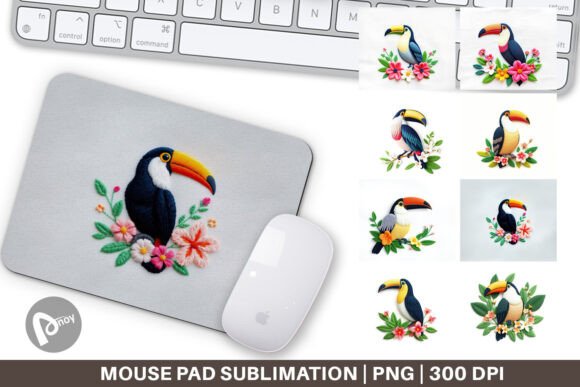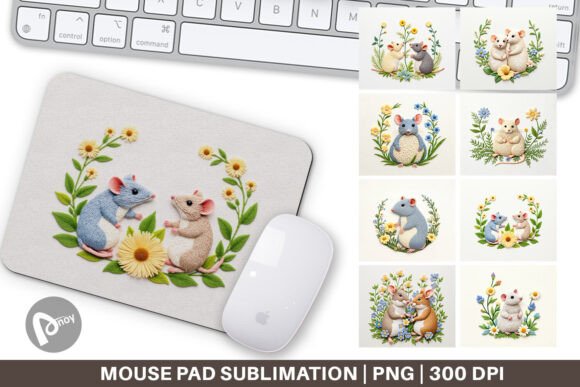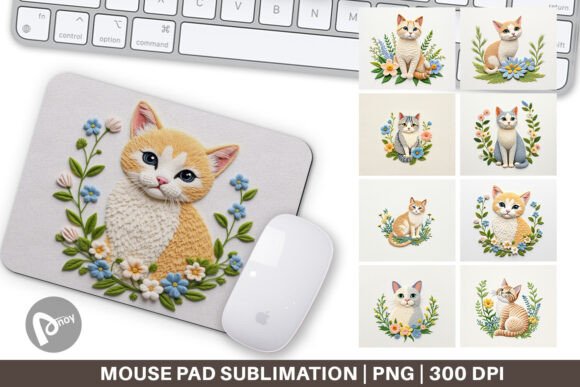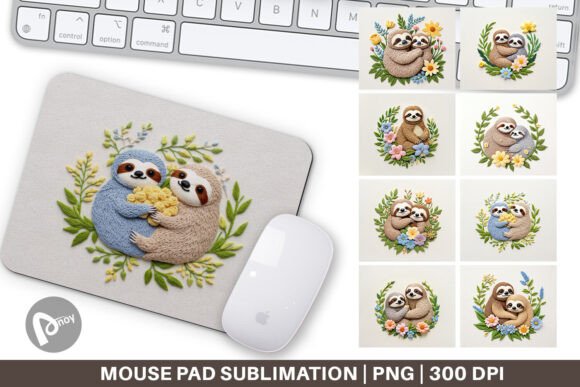
Mouse Pad Rabbit Embroidery: A Designer’s Review
As a professional embroidery designer and product reviewer, I approach every new graphic with a critical eye toward stitchability and marketability. When evaluating the Mouse Pad Rabbit Embroidery asset, my first thought is not just about the cute aesthetic, but how this illustration translates from a digital PNG file into a tangible, high-quality stitched product. This design falls under the Illustrations and Graphics category, offering a creative visual that promises to beautify workspaces. However, for those of us in the craft business or running an Etsy shop, the real value lies in its versatility as a machine embroidery design foundation.
First Impressions and Visual Personality
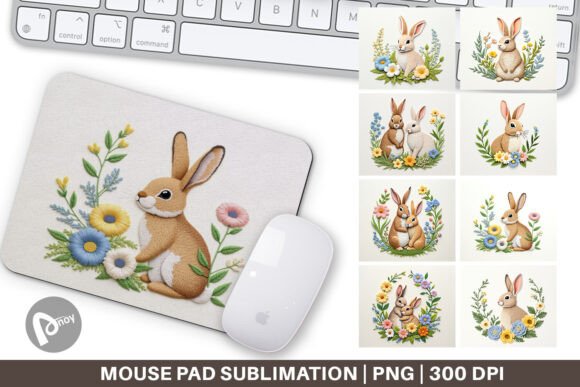
The Mouse Pad Rabbit Embroidery artwork immediately strikes a balance between whimsy and functionality. The mood is undeniably cheerful yet organized, making it perfect for products targeting students, remote workers, or gamers who want a personalized touch. As a digital embroidery file source, the layout appears balanced. The rabbit character likely serves as a strong focal point, which is essential when converting graphics into stitch files. A centered, clear subject matter reduces the risk of registration issues during digitizing.
For handmade product creators, this design feels inherently gift-able. It avoids being overly juvenile, meaning it can transition easily from baby embroidery projects to adult office accessories. The visual personality suggests it would work beautifully as a tote bag design or sweatshirt embroidery, where the charm of the rabbit adds character without overwhelming the garment's silhouette. When reviewing design assets like this, I look for lines that suggest natural stitch paths; this illustration seems to offer ample opportunity for both satin stitch outlines and fill stitch interiors, creating necessary texture contrast.
Real-World Application: Stitching a Custom Tote Bag
To truly judge this asset, I mentally walked through a recent client project involving custom canvas tote bags for a boutique merchandise line. If I were using the Mouse Pad Rabbit Embroidery for this application, my primary concern would be fabric texture and stabilizer choice. Canvas is forgiving, but it requires a sturdy cut-away stabilizer to prevent puckering around dense stitch areas.
In this scenario, I envision the rabbit placed centrally on the tote. Because the original asset is a PNG intended for sublimation mouse pads, converting it requires careful attention to detail. I would test the design on scrap fabric first to ensure the thread colors pop against the natural canvas. For a commercial embroidery project like this, clarity is king. Customers trust brands that deliver crisp, professional results. If the rabbit’s features are too small, they might get lost in the weave of the canvas. Therefore, I would recommend sizing the design appropriately to maintain stitch definition, ensuring the finished product looks intentional and high-end rather than muddy or rushed.
Navigating Fabric Challenges and Hoop Sizes
While the Mouse Pad Rabbit Embroidery has broad appeal, it demands caution when applied to difficult substrates. If you are planning baby clothes or stretchy knit apparel, the design’s density becomes a critical factor. Heavy fill stitches on thin jersey fabric can cause tearing or distortion. In these cases, I advise modifying the digital embroidery file to reduce stitch density or incorporating an applique design technique to minimize needle penetrations while maintaining the visual impact.
Hoop size is another practical consideration. The source files are listed as 9.5 x (presumably inches), which is quite large for standard embroidery hoops. You must confirm your machine’s maximum stitching area before purchasing. If you have a smaller hoop, you will need to resize or split the design. Resizing down significantly can compromise tiny details, while splitting requires advanced software skills to ensure seamless alignment. Additionally, curved surfaces like caps present unique challenges. Unless the rabbit illustration is specifically digitized for cylindrical framing, placing it on a hat may result in gaps or misalignment. Always test on a similar curved surface before committing to a production run.
Critical Considerations for Dark and Textured Fabrics
- Contrast Testing: Always view the design in black and white mockups to ensure the rabbit reads clearly on dark fabrics. You may need to add a white underlay or outline stitch.
- Stabilizer Selection: Use tear-away for stable fabrics like denim, but switch to cut-away for knits or fleece to support the weight of the embroidery.
- Detail Preservation: Inspect small elements like eyes or whiskers. If they are thinner than 1mm in the digitized version, consider enlarging the design or simplifying those specific areas.
- Washability: For items needing frequent washing, such as kitchen towels or baby bibs, ensure all satin stitches are properly underlaid to prevent fraying over time.
Enhancing Product Value and Brand Consistency
Beyond technical execution, the Mouse Pad Rabbit Embroidery influences perceived value. For Etsy sellers and small shop owners, consistency builds buyer engagement. Using this cohesive illustration across multiple products—perhaps matching mouse pads, embroidered patches, and holiday gifts—creates a recognizable brand identity. The attractive nature of the design helps increase productivity and comfort visually, but as a maker, your job is to translate that digital promise into physical quality.
When listing this as a personalized gift or custom apparel item, high-quality photos of the actual stitched sample are non-negotiable. Printable mockups are useful for initial listings, but customers ultimately want to see how the thread interacts with the fabric. Showing the texture of the satin stitch borders and the sheen of the fill stitches builds trust. Furthermore, if you are selling the digital embroidery file itself, providing clear notes on recommended stabilizers, thread colors, and tested fabric types will set your listing apart from competitors who simply offer a raw file without guidance.
Essential Designer Notes Before You Stitch
Before integrating Mouse Pad Rabbit Embroidery into your inventory, please adhere to these professional best practices. First, verify licensing. Just because you purchase a PNG graphic does not automatically grant commercial rights to sell digitized embroidery files or mass-produced goods. Check the terms explicitly. Second, never skip the test stitch-out. Even a perfectly digitized file can behave differently depending on your machine’s tension, needle type, and thread brand.
- Verify File Specs: Confirm the exact dimensions and resolution of the PNG files before starting digitization to avoid pixelation in complex areas.
- Thread Color Mapping: Plan your thread colors in advance. Since this is originally a sublimation design, you may need to adjust colors to match available embroidery thread palettes.
- Check Licensing: Ensure you have the right to use this illustration for both personal and commercial embroidery projects.
- Evaluate Complexity: Determine if the design works better as a pure embroidery piece or if it should be combined with vinyl or sublimation for mixed-media projects.
- Mockup vs. Reality: Compare light and dark fabric backgrounds in your planning phase to anticipate necessary design modifications.
Ultimately, the Mouse Pad Rabbit Embroidery represents a charming opportunity for creative entrepreneurs. Whether you are crafting a unique nursery decor piece, a branded corporate gift, or a cozy sweatshirt for your shop, success depends on respecting the translation process from screen to stitch. By approaching this illustration with technical diligence and artistic sensitivity, you can create finished products that delight customers and stand the test of daily use. Remember, great embroidery is where thoughtful design meets precise execution.