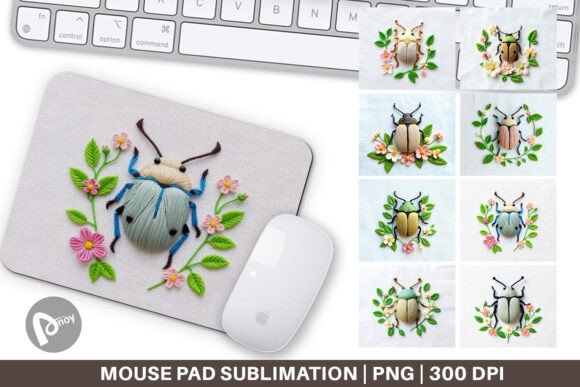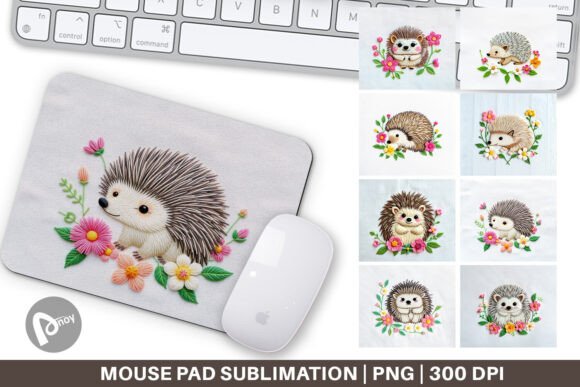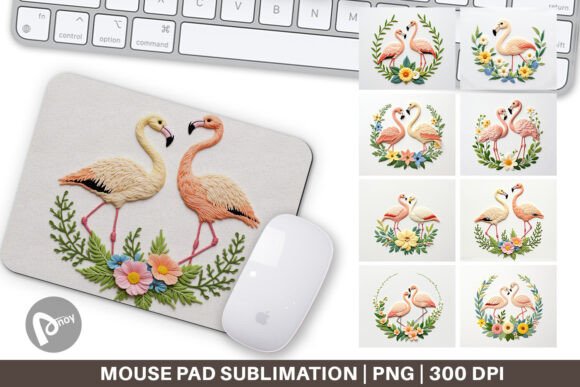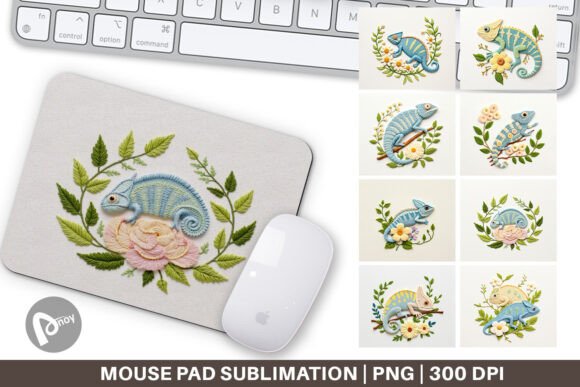
Mouse Pad Frog Embroidery: A Sweatshirt Design Review
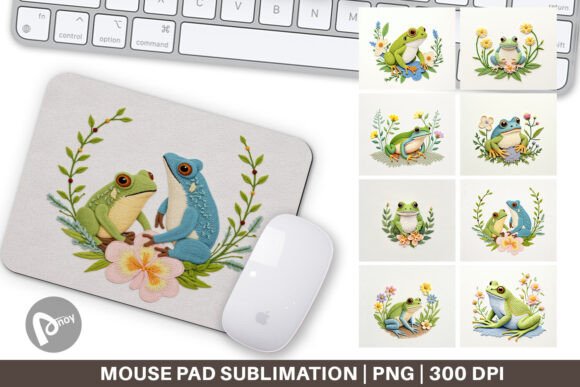
As an embroidery designer constantly scouting for fresh graphics to elevate boutique apparel collections, I approach every new asset with a critical eye. When evaluating the Mouse Pad Frog Embroidery concept for a potential premium sweatshirt drop, my primary focus shifts from its original intent as a desk accessory to its viability as a wearable statement piece. While the source material is marketed as a sublimation mouse pad graphic intended to beautify workspaces and gaming rooms, the underlying illustration holds significant promise for custom apparel. Translating digital graphics into tactile thread requires a deep understanding of how lines, colors, and moods interact with fabric texture rather than smooth polymer surfaces.
First Impressions and Aesthetic Translation
The initial appeal of this frog illustration lies in its inherent playfulness balanced with a sense of cozy nostalgia. For a boutique brand focusing on seasonal comfort wear, this design strikes a delicate balance between cute and sophisticated. It avoids being overly juvenile, making it suitable for adult consumers seeking whimsical yet refined hoodie designs. The mood suggests a "cottagecore" or "cozy gamer" aesthetic that is currently dominating Etsy trends and independent fashion markets.
However, moving from a flat PNG file to a physical garment requires imagination. As a digital graphic, the frog likely possesses clean lines and vibrant fills perfect for printing. As a machine embroidery design, those same attributes must be reimagined. The charm of this specific illustration translates well to neutral sweatshirts, where the frog can serve as a focal point against cream, sage, or charcoal fabrics. On pastel colors, the design feels softer and more feminine, while on dark fabrics, it demands high-contrast thread colors to maintain visibility and impact. The versatility of this graphic allows it to function as both a bold chest placement on oversized hoodies and a subtle sleeve accent on cozy seasonal apparel.
Technical Viability for Commercial Apparel
Before committing this design to a production run, several technical factors regarding sweatshirt embroidery must be addressed. The product description notes that you receive 8 PNG files at approximately 9.5 inches. This dimension is crucial but presents a challenge for embroidery. A 9.5-inch width is generally too large for standard left-chest placements on most retail sweatshirts. For commercial embroidery, this graphic would likely need to be resized or separated into components.
Stitch Density and Fabric Texture: Sweatshirt fleece has a high pile and significant stretch. If the original PNG features large solid fill areas typical of sublimation graphics, digitizing it directly could result in a stiff, bulletproof patch that distorts the garment. To maintain the premium hand-feel required for a boutique collection, I would recommend converting solid fills into textured stitches like tatami or bean stitches with reduced density. This preserves the fabric texture and ensures the garment remains comfortable.
Stabilizer Selection: Because knit fabrics are unstable, using the correct stabilizer is non-negotiable. For this frog design on heavy-weight French terry or fleece, a cut-away stabilizer is essential to prevent puckering during washing and wearing. A tear-away might suffice for lighter cotton jerseys, but for the premium sweatshirts this design evokes, permanent support ensures longevity.
Small-Size Readability: If adapting this design for a smaller logo placement or sleeve cuff, fine details in the original illustration may be lost. Thread has physical thickness; lines that look crisp on screen can merge when stitched at two inches. Testing the embroidery file at various scales is mandatory to ensure the frog’s expression and defining features remain legible without excessive jump stitches or thread breaks.
Strategic Placement and Collection Cohesion
The beauty of utilizing versatile design assets like this frog illustration is the ability to create a cohesive collection across different garments. Here is how I envision applying this graphic within a limited drop:
- Oversized Hoodie Chest: Utilizing the full scale (or close to it) centered on the chest creates a bold, streetwear-inspired silhouette. This works best on heavyweight blanks where the stitch count can be higher without compromising drape.
- Crewneck Sleeve Accent: Scaling the design down to 3-4 inches and placing it on the long sleeve near the wrist offers a subtle, discoverable detail. This placement is highly photogenic for lifestyle product photography and appeals to customers who prefer minimal branding.
- Back Yoke Placement: A medium-sized version centered just below the collar seam on the back of a sweatshirt provides a vintage athletic feel. This maximizes the visual real estate without weighing down the front of the garment.
- Tote Bag Companion: Since the origin is a mouse pad graphic, this design naturally lends itself to accessories. Offering a matching embroidered tote bag alongside the sweatshirt increases average order value and reinforces brand identity.
Elevating Brand Value Through Presentation
For an Etsy seller or small shop owner, the perceived value of a handmade product relies heavily on presentation. Simply listing a digital file or a flat mockup often fails to convey quality. Because this asset originates as a printable graphic, creating accurate printable mockups that simulate embroidery texture is vital for pre-sales. However, nothing builds buyer trust like photographing a physical sample.
When marketing this Mouse Pad Frog Embroidery adaptation, emphasize the transition from digital art to tangible craft. Highlight the specific thread colors chosen to match the boutique’s palette. Discuss the intentional stitch choices that honor the original illustration while respecting the garment's integrity. This narrative transforms a simple graphic into a curated piece of wearable art.
Furthermore, consider the licensing and usage rights. The product description specifies receiving PNG files for sublimation. It does not explicitly confirm inclusion of a pre-digitized embroidery file or a commercial license for apparel reproduction. As a professional, I must remind readers to verify these details before production. You may need to hire a professional digitizer to convert these high-resolution PNGs into a functional embroidery format optimized for knits. Investing in proper digitizing protects your equipment, reduces production waste, and ensures the finished product meets customer expectations for durability and aesthetics.
Final Verdict for Boutique Application
Does the Mouse Pad Frog Embroidery concept belong in a premium sweatshirt collection? Absolutely, provided it is treated with technical respect. The illustration possesses the necessary character and trend relevance to engage modern buyers. Its adaptability across neutral, dark, and pastel palettes makes it a robust candidate for capsule collections. However, success depends entirely on execution. By prioritizing appropriate stabilizers, managing stitch density for fleece, and verifying commercial usage rights, creative entrepreneurs can successfully bridge the gap between desk decor and high-end fashion. This design represents an excellent opportunity to expand product offerings, provided the maker approaches the translation process with the diligence required for commercial embroidery excellence.