Mouse Pad Duck Embroidery: A Designer’s Review
As an embroidery designer who has spent years digitizing and testing files for commercial production, I approach every new graphic with a critical eye. When I first encountered the Mouse Pad Duck Embroidery collection, my immediate thought was not about computer peripherals, but about the untapped potential of these charming illustrations for textile applications. While marketed as sublimation graphics for desk accessories, the aesthetic qualities of this duck design series translate beautifully into the world of needle and thread. For Etsy sellers, gift shop owners, and makers of personalized gifts, understanding how to adapt digital art into a tangible embroidered product is the key to creating items that customers cherish.
First Impressions: Charm Meets Commercial Viability
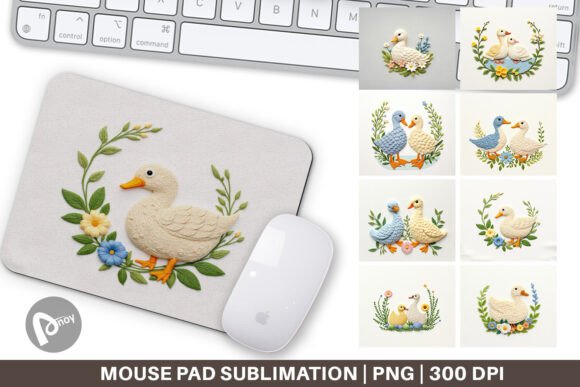
The initial appeal of the Mouse Pad Duck Embroidery artwork lies in its distinct mood. It strikes a delicate balance between playful nostalgia and modern cleanliness. As a professional, I look for lines that suggest clear stitch paths, and this illustration delivers. The design possesses a sweet, hand-drawn quality that feels inherently handmade rather than mass-produced. This emotional resonance is crucial when selling personalized gifts; customers are not just buying a product, they are buying a feeling of warmth and care.
From a technical standpoint, the graphics offer enough detail to be interesting without being overly dense. This is a significant advantage for machine embroidery designs intended for varied fabrics. The charm is evident in the posture of the duck and the stylistic choices in the accompanying elements. Whether you interpret this as a classic nursery motif or a whimsical addition to adult stationery, the design carries a versatility that supports multiple product lines within a single small business.
Real-World Application: From Digital File to Cherished Keepsake
In my studio, we recently tested this concept for a client seeking a unique baby shower gift. We adapted the visual style of the Mouse Pad Duck Embroidery for a custom blanket embroidery project. The result was exceptional because the illustration’s softness complemented the plush texture of the fleece. This confirms that while the source file is categorized under Graphics and Illustrations for desk use, its true value for crafters lies in its adaptability to fabric.
Beyond baby embroidery, this design family is perfectly suited for wedding gifts and family keepsakes. Imagine this duck motif embroidered on a linen pillow cover for a couple who loves cottage-core decor, or stitched onto a canvas tote bag for a bridesmaid gift. The design’s inherent friendliness makes it appropriate for children’s apparel, yet refined enough for kitchen textiles like an embroidered towel or apron. For Etsy sellers, this means one digital purchase can spawn listings across nursery decor, wedding accessories, and personalized home goods categories.
Navigating Fabric Textures and Technical Constraints
However, translating a flat PNG graphic into a stitched reality requires caution. Not every surface is friendly to detailed illustrations. When planning your custom embroidery projects using this duck theme, consider the following limitations:
- Textured Fabrics: If applying this to terry cloth towels or chenille blankets, the fine details of the duck’s face or feathers may get lost in the pile. You may need to increase stitch density or simplify the design elements manually.
- Stretchy Materials: Baby clothes and knitwear require careful stabilization. Intricate graphics can distort on stretchy fabric if the stabilizer is insufficient, leading to puckering that ruins the professional finish.
- Small Lettering: If you plan to add personalization names alongside the duck, ensure the text remains legible. Complex illustrations paired with tiny fonts often fail on textured surfaces.
- Dark Fabrics: High-contrast thread colors are essential. Test how the duck’s outline reads against navy or charcoal fabrics before committing to a full production run.
- Frequent Washing: Items like bibs, burp cloths, and kitchen towels endure harsh laundering. Ensure your stitch type selection prioritizes durability over pure aesthetic fidelity to the original PNG.
Elevating Perceived Value and Customer Trust
Using high-quality source art like Mouse Pad Duck Embroidery directly impacts buyer engagement. In the saturated market of handmade products, customers can distinguish between generic clipart and thoughtful design. When your finished product reflects the integrity of the original illustration, it builds trust. Shoppers perceive higher value in items where the embroidery looks intentional and harmonious with the base material.
Furthermore, utilizing these graphics for printable mockups before stitching can save time and materials. Because the source files are clean PNGs, they serve as excellent bases for digital previews on your website. This helps bridge the gap between the customer’s imagination and the final physical product, reducing return rates and increasing satisfaction. The cohesive look of the design series also allows you to create bundled offerings, such as matching nursery sets or coordinated wedding party gifts, which increases average order value.
Essential Production Notes for Makers
Before you hoop up your fabric and start taking orders, please adhere to these professional best practices. Remember that the product description specifies you will receive 8 PNG files sized at 9.5 inches. These are raster graphics, not pre-digitized embroidery files. This distinction is vital for commercial embroidery success.
- Verify Licensing: Always confirm the commercial license terms included with your purchase. Ensure you have the right to sell finished physical products featuring this artwork.
- Digitization Check: Since these are PNG illustrations, you must digitize them or hire a digitizer to convert them into PES, DST, or JEF formats suitable for your machine. Do not attempt to auto-digitize complex illustrations without manual cleanup.
- Test on Scrap Fabric: Never stitch a new adaptation directly onto a customer’s item. Test stitch density, thread colors, and stabilizer choices on scrap fabric that matches your final product weight.
- Hoop Size Confirmation: The 9.5-inch dimension refers to the image size, not necessarily the safe stitch area. Confirm your hoop size accommodates the design plus adequate margin for stabilization.
- Thread Color Matching: Compare light and dark fabric mockups digitally first. Select thread colors that enhance the illustration’s mood rather than strictly matching pixel colors, as thread sheen affects perception.
- Stabilizer Selection: Use cut-away stabilizer for knits and tear-away for wovens. For the detailed nature of this duck design, consider adding a water-soluble topping on textured fabrics to prevent stitches from sinking.
- Detail Review: After test stitching, inspect small details like eyes or beak definition. If they are unclear, adjust the digitizing parameters before proceeding to production.
Final Thoughts for the Creative Entrepreneur
The Mouse Pad Duck Embroidery collection represents more than just a cute animal graphic; it is a foundation for building a cohesive brand identity in the personalized gift space. By respecting the technical requirements of embroidery and leveraging the emotional appeal of the illustration, you can transform digital pixels into profitable, heartwarming products. Whether you are creating a bespoke wedding gift or stocking your shop with adorable baby embroidery, this design offers the flexibility and charm necessary to stand out. Always prioritize testing and quality control, and let the inherent sweetness of the artwork guide your creative decisions. Your customers will feel the difference in every stitch.