Faux Embroidery Holiday Animal Mouse Pad Review
As a designer who constantly bridges the gap between digital graphics and tangible textiles, I approach every new asset with a specific question: will this translate into a product my customers actually want to buy? When evaluating the Faux Embroidery Holiday Animal Mouse Pad, my perspective shifts from simple graphic appreciation to practical production analysis. While this asset is technically categorized under Graphics and delivered as high-resolution PNG files for sublimation, its visual language speaks directly to the embroidery community. The "faux" aesthetic mimics the texture and depth of traditional needlework, making it a fascinating hybrid for crafters and small business owners looking to expand their holiday offerings without increasing stitch times.
First Impressions: Texture Without the Thread Count
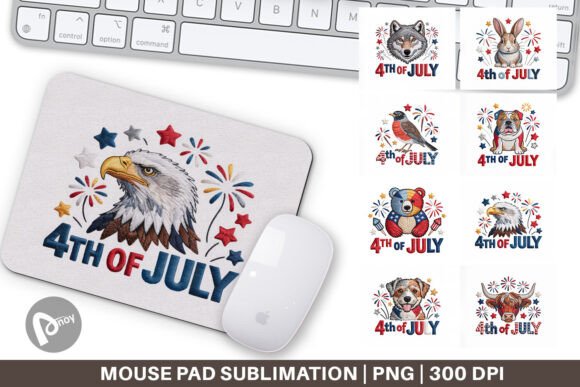
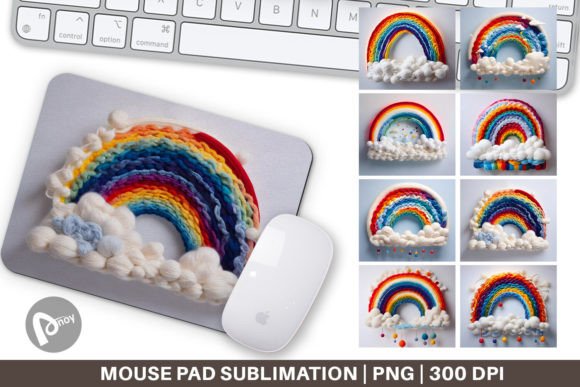
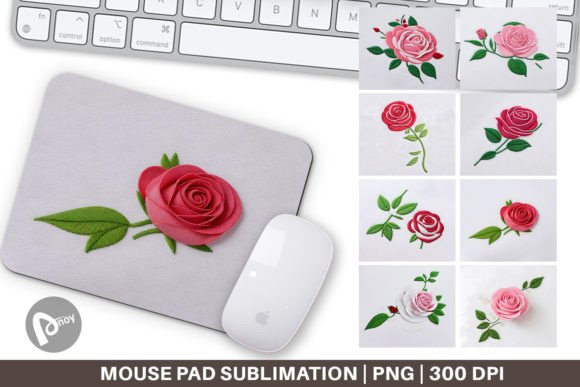
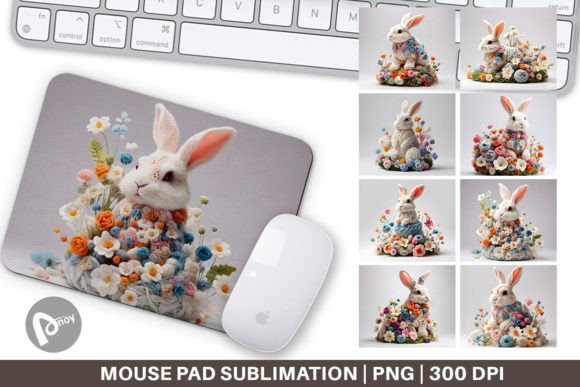
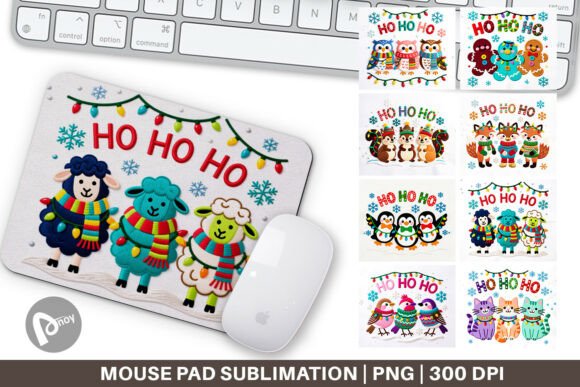
Upon opening the file set, the immediate strength of this design is its successful illusion of tactile depth. In the world of machine embroidery design, we obsess over stitch density and fabric texture to create interest. This graphic replicates that charm digitally. The holiday animal theme carries a nostalgic, cottage-core mood that feels inherently handmade. For an Etsy seller or boutique owner, this visual personality is crucial. It does not look like flat clip art; it looks like a digitized patch or a dense satin stitch motif.
This distinction matters because customer expectations are tied to perceived value. When a buyer sees a design that resembles intricate embroidery, they associate it with labor and craftsmanship. Even though you are producing a sublimation mouse pad, the Faux Embroidery Holiday Animal Mouse Pad leverages the emotional connection people have with traditional crafts. It creates a cozy desk accessory that feels appropriate for a winter workspace, bridging the gap between functional tech gear and seasonal decor.
Real-World Application: The Custom Tote Bag Test
To truly judge the versatility of this asset, I mentally placed it into a current client project: a line of holiday tote bags intended as teacher gifts. Usually, I would reach for an applique design or a complex fill stitch pattern for this application. However, considering the Faux Embroidery Holiday Animal Mouse Pad as a heat transfer or DTF option changed my production calculus entirely.
In a real-life scenario, stitching a dense holiday animal on canvas tote bags can lead to puckering, even with heavy stabilizer and proper hooping. By utilizing this graphic for sublimation or hybrid transfers, I could achieve the exact same aesthetic without risking the structural integrity of the bag. The design’s layout is balanced enough to serve as a central focal point on a 15x16 inch tote. For a small shop product, this means faster turnaround times during the peak holiday rush while maintaining the "embroidered look" that justifies a premium price point. It allows for personalization, such as adding a teacher's name in a complementary font below the animal, without worrying about jump stitches or thread breaks slowing down the assembly line.
Navigating Fabric Limitations and Production Risks
While the digital nature of this file offers freedom, designers must still apply embroidery logic when placing it on physical goods. Just because it is a PNG does not mean it belongs everywhere. I advise caution when applying this faux embroidery style to highly textured fabrics like terry cloth or chunky knits. The beauty of this design lies in its simulated stitch clarity; if the base fabric is too rough, the visual illusion breaks, and the print may look muddy rather than crafted.
Furthermore, consider the contrast requirements. Much like checking thread colors against dark fabric before running a machine embroidery design, you must evaluate how this graphic interacts with your substrate. On a dark sweatshirt or navy cap, ensure the PNG has sufficient edge definition. Unlike a satin stitch that sits on top of the fabric, sublimation dyes the fiber. If the Faux Embroidery Holiday Animal Mouse Pad lacks a defined border or outline in the digital file, it might disappear into a dark background. Always test on scrap fabric first. This step is non-negotiable for commercial embroidery and printing businesses alike. You need to verify that the "stitch" details remain crisp after the heat press cycle and that the colors vibrate correctly against your chosen material.
Elevating Product Value and Brand Consistency
For creative entrepreneurs, consistency builds trust. Using high-quality graphics that mimic professional embroidery helps maintain brand cohesion across different product lines. Perhaps you offer actual embroidered patches alongside printed merchandise. This design asset allows you to cater to customers who love the embroidery aesthetic but have a lower budget or need a product type that cannot be stitched, such as a gaming mouse pad or a ceramic coaster.
The visual appeal of this design directly impacts buyer engagement. In online listings, the faux texture catches the eye in thumbnail images. It signals "holiday" and "handmade" instantly. However, professionalism requires transparency. When listing finished products made with this file, clearly communicate the production method. Customers appreciate knowing they are buying a durable sublimated item designed to look like embroidery, rather than expecting actual threads. This honesty protects your reputation and ensures the personalized gift or custom apparel meets the buyer's specific needs.
Designer Notes for Safe Commercial Use
Before integrating the Faux Embroidery Holiday Animal Mouse Pad into your inventory, run through this practical checklist derived from years of production experience:
- Verify Licensing Terms: The product description mentions receiving 8 PNG files sized 9.5 inches. Confirm whether your purchase includes commercial rights for finished products or digital redistribution. Never assume usage rights based solely on file delivery.
- Check Resolution for Scale: At 9.5 inches, these files are optimized for standard mouse pads. If you intend to use them for larger items like pillow covers or blankets, inspect the pixel density at 300 DPI. Upscaling can blur the faux stitch edges, ruining the effect.
- Mockup Testing: Create printable mockups on both light and dark backgrounds. View them in black and white to check contrast levels. If the design relies solely on color variation without tonal contrast, it will fail on mid-tone fabrics.
- Stabilizer Logic for Hybrids: If combining this graphic with actual text embroidery, treat the printed area as a stable zone. Use appropriate stabilizer for the stitched portion to prevent the fabric from shifting around the printed image.
- Color Profile Management: Sublimation colors often shift from screen to print. Since this design mimics specific thread colors, perform a test press to ensure the reds and greens match your expected holiday palette. Neon or overly saturated digital colors can sometimes look artificial compared to traditional embroidery floss.
Final Thoughts on Versatility
The Faux Embroidery Holiday Animal Mouse Pad represents a smart intersection of digital convenience and traditional aesthetics. For the maker who understands that value is perceived through texture and detail, this asset is more than just a desk accessory graphic. It is a flexible design element that can enhance tote bags, apparel, and nursery decor when applied with technical mindfulness. By treating this PNG with the same respect and testing rigor as a digitized embroidery file, you ensure that every finished product maintains the quality your customers expect. Whether you are fulfilling custom orders or stocking up for a craft fair, this design offers a pathway to efficient, attractive holiday production that honors the spirit of handmade craftsmanship.