Creative Embroidery Lettering: A Seller’s Review
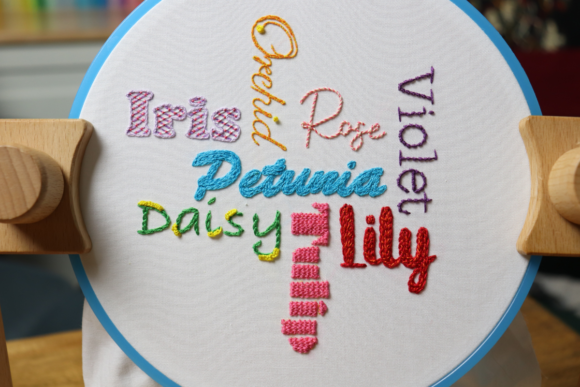
As an Etsy seller and small business owner, I spend countless hours scouring Creative Fabrica for designs that will actually translate into sales. We have all been there: you find a font that looks stunning on screen, but when you hoop up your stabilizer and run the machine, the result is puckered, unreadable, or simply lacks that professional finish our customers expect. This is why evaluating Creative Embroidery Lettering requires a critical eye. Based on the product description highlighting the challenge of selecting fonts and stitches that work best for embroidery, this resource appears to be more than just a digital download; it positions itself as an educational tool or class designed to bridge the gap between typography and digitizing.
For those of us running a craft business, understanding the mechanics behind lettering is just as valuable as the design files themselves. Here is my honest evaluation of how Creative Embroidery Lettering fits into a commercial embroidery workflow, specifically for sellers focusing on personalized goods and custom apparel.
Evaluating the Commercial Viability for Small Shops
When I assess any new machine embroidery design or educational resource, my first question is always about return on investment. Does this help me sell more tote bags, sweatshirts, or baby items? Creative Embroidery Lettering seems tailored for sellers who want to move beyond basic block text and offer premium personalization. The description suggests a focus on "what works best," which implies a curated selection of styles optimized for fabric rather than paper.
From a business perspective, this type of resource is ideal for creating high-margin personalized gifts. Standard text embroidery is often expected as a free add-on, but stylized, well-executed lettering can justify a higher price point. If this collection teaches or provides fonts that maintain integrity at various sizes, it becomes a versatile asset for multiple product lines. For example, a script that remains legible on a kitchen towel embroidery project while also looking elegant on a bridal clutch is worth its weight in gold.
I view this as a foundational asset for shops specializing in:
- Custom Apparel: Sweatshirt embroidery and caps where text must withstand washing and wear without distorting.
- Baby Embroidery: Delicate lettering for blankets and bibs that requires low stitch density to prevent stiffness.
- Home Decor: Kitchen towels and pillow covers where readability from a distance is key.
- Boutique Merchandise: Tote bag designs and patches that serve as walking advertisements for your brand aesthetic.
Aesthetic Personality and Product Matching
While the specific visual style depends on the exact contents of the class or file pack, the emphasis on "best practices" suggests a clean, professional, and adaptable aesthetic. In my experience, resources that focus on technical correctness tend to produce designs that feel modern and timeless rather than overly trendy or gimmicky. This makes Creative Embroidery Lettering likely suitable for a wide range of vibes, from minimalist and elegant to classic and rustic.
For Etsy sellers, this versatility is crucial. You might use a bold, structured variation for a funny quote on a coffee mug, while utilizing a softer, satin-stitch friendly version for a baby blanket. The ability to match the lettering style to the emotional tone of the finished product is what separates hobbyists from professional sellers. If you are planning seasonal collections, having a reliable lettering base allows you to quickly adapt to holidays without purchasing new fonts for every single event.
Enhancing Buyer Perception and Listing Quality
We know that online shoppers buy with their eyes. A major pain point in selling embroidered goods is photography. Poorly digitized text often looks messy in listing thumbnails, which kills click-through rates. One of the strongest selling points of investing in quality Creative Fabrica embroidery resources like this is the improvement in product presentation.
Professional lettering enhances the perceived value of your handmade product. When a customer sees crisp edges, appropriate spacing, and thread choices that complement the fabric, they trust your craftsmanship. This is particularly important for commercial embroidery products where businesses are ordering branded gear. They need assurance that their logo or slogan will look sharp. Furthermore, clean lettering makes creating printable mockups significantly easier. If you use software to generate previews for your Etsy listings, well-digitized fonts map better and look more realistic, reducing the number of customer inquiries asking, "What will this actually look like?"
Practical Seller Notes: Testing Before Selling
Before adding any item created with Creative Embroidery Lettering to your shop, you must treat it with the same rigor as any other production element. Even if this is marketed as a class or a premium set, real-world application varies by machine and material. Here is my checklist for integrating this into your business safely:
- Verify Technical Specifications: The product description mentions the difficulty of finding the right stitches, but it does not list specific stitch counts, hoop size requirements, or file formats. You must confirm these details directly on the Creative Fabrica product page before purchasing to ensure compatibility with your equipment.
- Create Sample Stitch-Outs: Never list a new personalized gift option without stitching it first. Test the design on scrap fabric similar to your final product. Check the stitch density; if it is too high for a lightweight knit, it will cause puckering. If it is too low for a towel, the texture will show through.
- Test Readability at Scale: Photograph your sample from the distance a customer would view it in real life. Can you read the name on the sweatshirt embroidery from five feet away? Is the quote on the kitchen towel legible in a small Instagram photo?
- Experiment with Thread Colors: Contrast is everything. Test variegated threads against solid fabrics and metallic threads against dark backgrounds. Sometimes a font that looks great in white fails in gold due to light reflection.
- Review Licensing Terms: As a digital embroidery file user, you must understand your rights. Confirm whether the license allows for unlimited physical sales, if there are caps on production, or if you can use the designs for print-on-demand services. This is non-negotiable for protecting your craft business.
Final Thoughts for the Creative Entrepreneur
Creative Embroidery Lettering represents a smart investment for sellers who understand that typography is the backbone of personalization. By focusing on the intersection of aesthetic appeal and technical performance, it addresses the most common failure point in embroidered text products. Whether you are updating your Etsy listings with fresh custom apparel options or refining your technique for high-end boutique merchandise, prioritizing quality lettering resources pays dividends.
Remember, the goal is not just to stitch words, but to create a finished product that feels intentional and professional. Always validate the specifics on the product page, test thoroughly on your own machines, and let the quality of your stitching speak for itself. When done right, excellent lettering transforms a simple piece of fabric into a cherished, giftable keepsake that customers are proud to display and recommend.