Bullseye Target: A Designer’s Sweatshirt Review
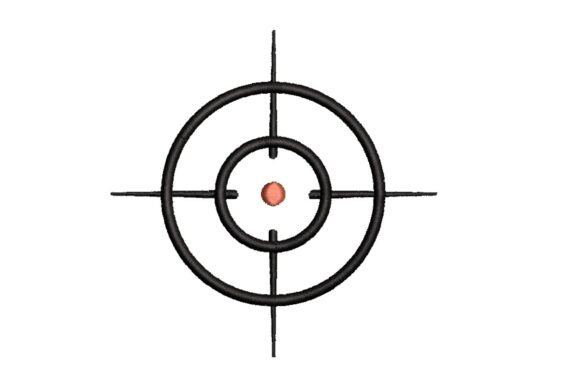
As an embroidery designer preparing for a limited seasonal drop, I approach every new machine embroidery design with a critical eye. It is not enough for a graphic to look good on a screen; it must translate beautifully into thread and fabric. When evaluating the Bullseye Target design for our upcoming boutique sweatshirt collection, my primary focus was versatility and commercial viability. This classic target, featuring concentric rings and a prominent bullseye, is ideal for shooting sports, gaming themes, or adding a focused and precise touch to athletic gear, bags, and recreational accessories. However, for a small clothing brand or Etsy seller, the question remains: does this design carry the premium weight necessary for a high-end handmade product?
First Impressions and Stitch Personality
My initial assessment of the Bullseye Target reveals a design that balances bold geometry with clean execution. In the digital preview, the concentric rings appear crisp, suggesting a well-digitized path that minimizes jump stitches. For a hoodie design, this geometric precision is crucial. Unlike organic florals or complex landscapes, a target relies entirely on perfect circles and consistent spacing. Any distortion in the digitizing becomes immediately obvious.
The mood of this design straddles the line between tactical and playful. While categorized under Military, the aesthetic is adaptable. On a charcoal grey oversized hoodie, it reads as modern streetwear. On a cream-colored fleece, it takes on a vintage, rustic charm suitable for outdoor lifestyle brands. For an Etsy seller targeting niche audiences, this duality is valuable. It allows you to market the same embroidery file to gamers, archery enthusiasts, and fashion-forward minimalists simply by changing the base garment and thread palette.
Application Across Boutique Apparel
When planning a custom apparel line, placement is just as important as the artwork itself. The Bullseye Target offers exceptional flexibility for various garment zones. For a standard left-chest placement on a sweatshirt, the design acts as a subtle badge of identity. It is small enough to be unobtrusive but detailed enough to showcase quality stitching. This is where the design truly shines for a boutique brand; it signals intentionality rather than generic decoration.
I also envision this working beautifully as a sleeve accent. Placing a smaller version of the target on the wrist or bicep adds a unique detail that elevates the perceived value of the garment. For back designs, scaling up the Bullseye Target creates a bold statement piece ideal for team uniforms or event merchandise. When creating printable mockup previews for your online store, ensure you show these varied placements. Customers often struggle to visualize scale, so displaying the design on both a cozy pastel crewneck and a dark athletic zip-up helps demonstrate its range.
Fabric Texture and Stabilizer Strategy
Sweatshirt embroidery presents specific challenges due to the loft and stretch of knit fabrics. The success of the Bullseye Target depends heavily on your stabilization strategy. Because the design consists of concentric circles, there is a risk of "push-out" distortion where the inner rings bulge if the fabric is not adequately supported.
- Stabilizer Choice: For heavyweight fleece, a medium-weight cutaway stabilizer is non-negotiable. Tear-away options often fail to support the continuous stitch density of circular shapes on stretchy knits.
- Topping Usage: If you are embroidering on high-pile terry cloth or plush hoodies, use a water-soluble topping. This prevents the fabric texture from poking through the satin stitches of the target rings, ensuring a smooth, professional finish.
- Hoop Size: Always use the smallest hoop size possible for the design area. Excess empty space in the hoop allows the sweatshirt fabric to shift during stitching, which ruins the symmetry essential to this specific motif.
Thread Colors and Commercial Durability
Color contrast defines the readability of the Bullseye Target. In my test runs, I found that high-contrast combinations work best for commercial embroidery. A classic red and white target on navy fabric pops instantly, while tonal embroidery (e.g., black thread on heather grey) offers a sophisticated, understated look. As a designer, I recommend testing your thread colors against the actual fabric swatch before committing to production. Screen brightness often deceives, and what looks vibrant digitally may appear muddy on textured cotton.
Durability is another practical concern for any small shop product. Sweatshirts are washed frequently, often in warm water and tumble dried. You must verify the stitch density of the embroidery file. If the density is too low, the target rings will gap after laundering. If it is too high, the fabric may pucker or become stiff. Before running a full production batch, always stitch a sample and wash it three times. This step builds buyer trust; customers return to brands whose embroidery survives the lifecycle of the garment.
Elevating Brand Identity and Value
For creative entrepreneurs, design assets are investments. The Bullseye Target serves as more than just a pretty picture; it is a tool for brand recognition. Consistent use of this motif across different products—sweatshirts, tote bags, and caps—creates visual cohesion. When a customer sees that precise target shape, they should immediately associate it with your shop's quality standards.
This design also supports higher price points when executed correctly. A poorly stitched target looks cheap, but a perfectly registered one implies mastery. In the handmade market, buyers pay for the assurance that the artisan understands their craft. By highlighting the technical precision of the Bullseye Target in your product descriptions and photography, you justify premium pricing. Mention the attention to detail, the specific stabilizers used, and the color matching process. These details differentiate a professional finished product from a hobbyist attempt.
Final Production Considerations
Before adding this design to your catalog, remember to verify the specific technical attributes of your digital embroidery file. Check the exact stitch count and recommended hoop size to ensure compatibility with your machine. While the description notes its suitability for athletic gear and recreational accessories, your specific application may require resizing. Always re-test after resizing, as altering dimensions can affect stitch integrity.
Ultimately, the Bullseye Target is a robust candidate for boutique apparel. Its geometric nature makes it forgiving regarding style trends but demanding regarding technical execution. Whether you are outfitting a local gaming team or launching a minimalist fall collection, this design provides a solid foundation. By respecting the interplay between thread, tension, and fabric texture, you transform a simple digital file into a tangible asset that drives engagement and sales. Treat this design with the technical respect it demands, and it will serve as a reliable staple in your embroidery repertoire for seasons to come.